Wondering why some short-term rentals in Manson stay booked while others sit empty? In a lakeside market where seasons rule and guests travel for the water and wineries, a few smart choices can make a big difference in revenue. You want a place that guests love, reviews that build momentum, and systems that protect your time and budget.
This guide breaks down the amenities, layouts, pricing moves, and operational habits that tend to drive bookings in Manson. You will also find the key tax and permitting checks to handle before you launch. Let’s dive in.
Understand Manson’s demand cycles
Manson sits on the north shore of Lake Chelan. Travelers come for boating, swimming, wine tasting, and seasonal events. That means demand is not flat through the year. Your pricing, minimum stays, and expenses should match the calendar.
- High season: Memorial Day to Labor Day. Warm days and lake access lead to peak occupancy and stronger average daily rates.
- Shoulder seasons: April–May and September–October. Harvest weekends, fall color, and events can lift demand, but not as high as summer.
- Low season: November–February, except holidays. You may still capture select weekends, remote-work stays, or event traffic, but expect lower ADR and occupancy.
Local winery events and lake activities can create mini-peaks. Check the Visit Lake Chelan calendar when setting rates and rules. Because seasonality is strong, focus on dynamic pricing, smart minimums, and proactive calendar management.
Design a property guests book first
In a lake market, certain features consistently lift visibility and conversion. The goal is to match what travelers come for, then present it clearly in photos and copy.
Lake views and waterfront
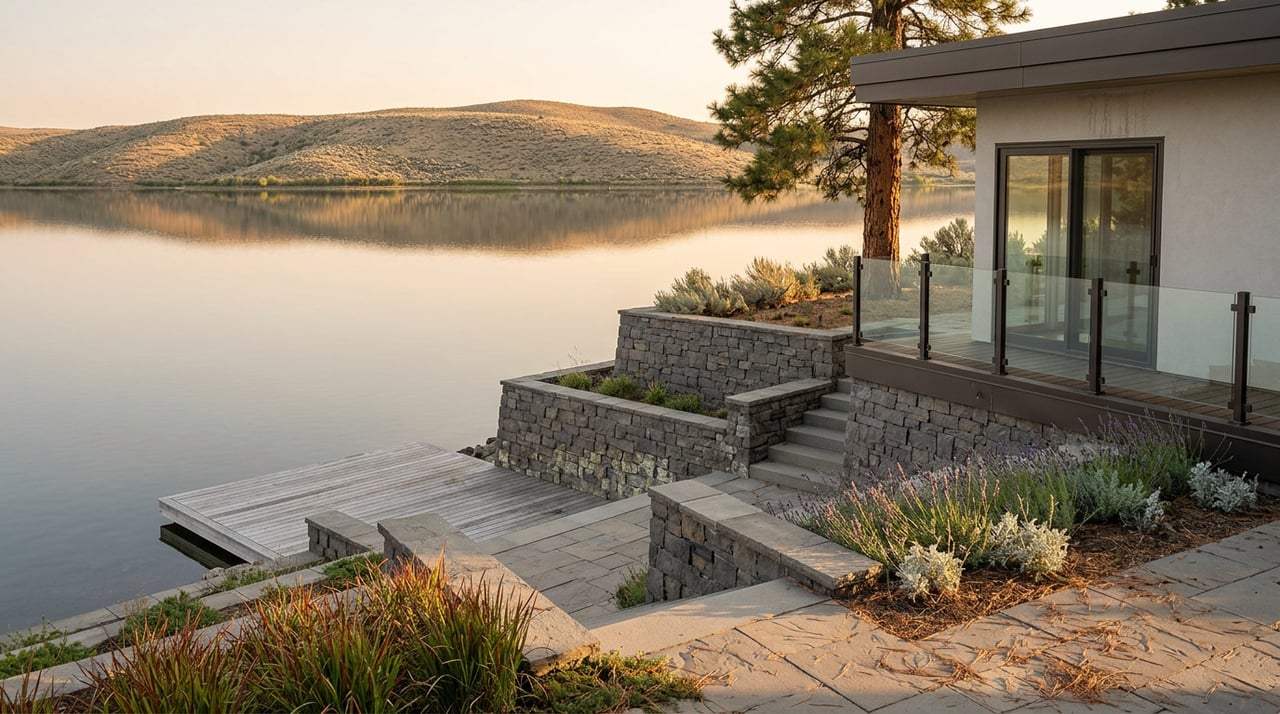
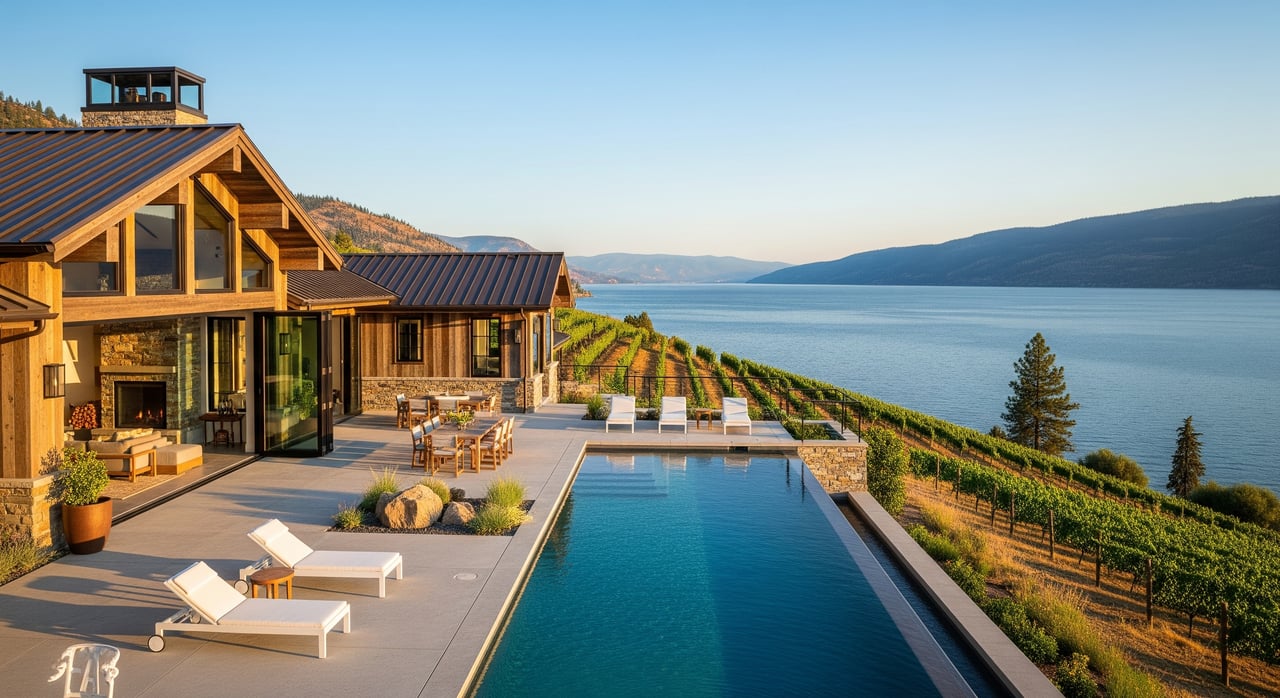
Guests choose Lake Chelan for the water and scenery. Homes with lake views or waterfront access often earn a premium and generate more clicks. If you have either, make it the star of your visuals. Note the orientation of decks and windows to show morning or sunset light in photos. Set clear expectations about distance to the water and any stairs or slopes.
Boat access and parking
Many visitors bring boats or plan to rent one. Clear, convenient boat parking or proximity to a launch can be a high-value feature. Spell out boat length limits, trailer parking spots, dock usage, and any HOA rules. If parking is offsite or limited, say so plainly to avoid poor reviews.
Hot tubs
Hot tubs are highly searched and can lift bookings, especially for couples and small groups. They also require steady care. Budget for water care, energy use, and regular maintenance. Set house rules about glass, hours, and supervision. Cleanliness and reliability drive review sentiment here, so do not list a hot tub unless you can maintain it to a professional standard.
Bunk rooms and sleeping flexibility
Groups look for per-person value. Bunk rooms and flexible sleeping setups can widen your appeal for family gatherings and event weekends. Balance is key. Use bunk rooms to boost capacity, but avoid overloading common spaces with sleeper sofas. Be specific about bed sizes, privacy tradeoffs, and total guest count.
Outdoor living and fire features
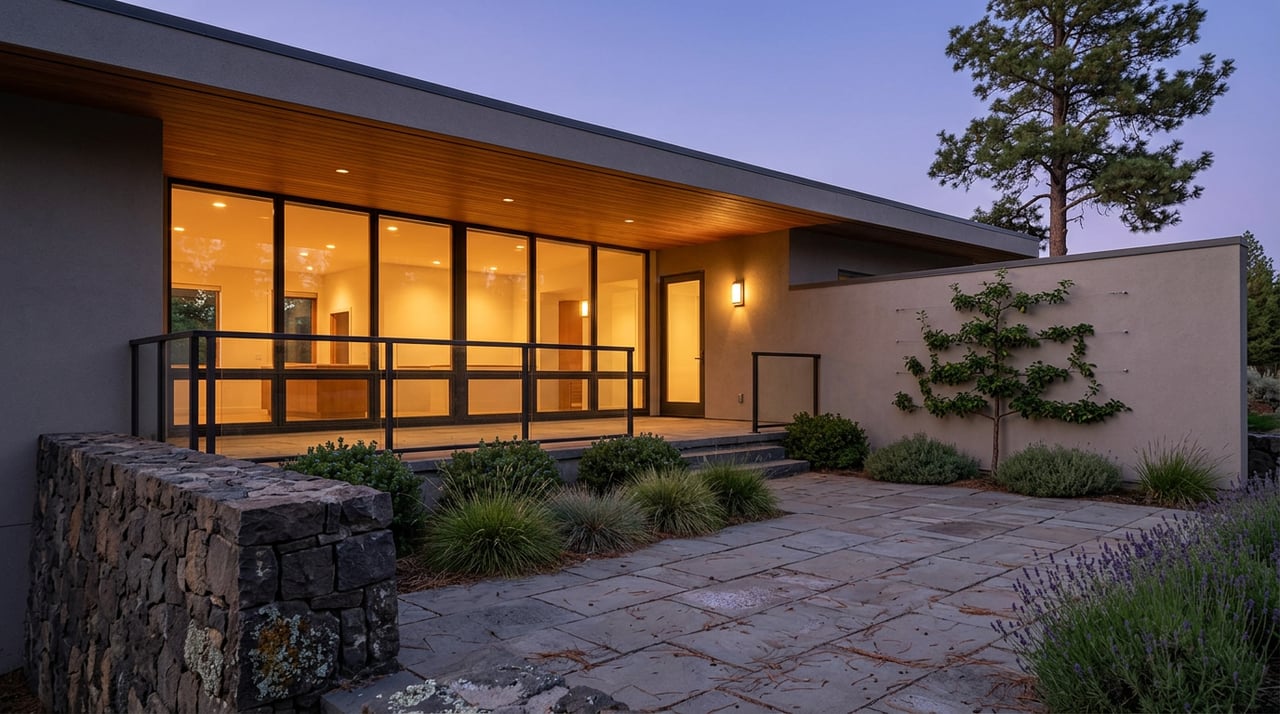
Decks with dining space, lounge seating, and a BBQ extend the season. Firepits add ambiance when permitted and used safely. Share clear rules for use and any burn or seasonal restrictions. Outdoor scenes photograph well and help guests picture their stay.
Comfort basics guests expect
The basics make or break reviews. In Manson’s hot summers, air conditioning or strategic ventilation matters. Reliable Wi-Fi, a full kitchen, washer/dryer, and ample parking are baseline. Provide simple instructions for appliances and TVs. Basics do not win bookings by name, but they protect your ratings and reduce complaints.
Layout and bathrooms
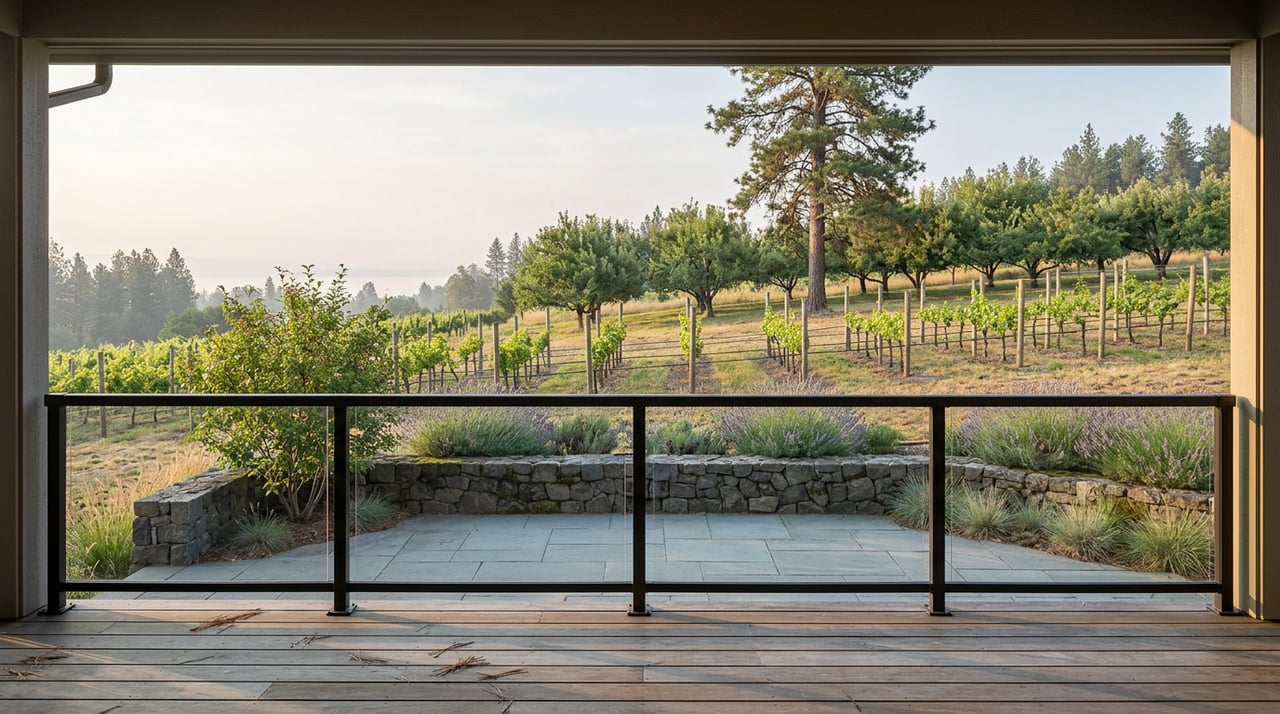
Open living areas with views help listings stand out. Single-level homes can be easier for multi-generational groups. Two or more bathrooms for three or more bedrooms improves guest satisfaction. If stairs, tight hallways, or loft ladders exist, be transparent in the listing.
Operate like a pro for 5-star reviews
Top ratings come from consistent hospitality. You do not need to be fancy. You do need to be accurate, responsive, and reliable.
Cleanliness
Cleanliness is a top driver of 5-star reviews. Use professional cleaners with a checklist and turnover photos. Add quality control on linens and kitchen items. If you allow pets, align your cleaning fee and time with the real work required.
Communication
Send timely pre-arrival messages, driving and parking tips, and house rules. Offer quick responses to issues. Clear, friendly communication reduces stress and helps guests feel cared for.
Smooth check-in
Self check-in with a smart lock or lockbox minimizes friction. Share simple access steps and a short house guide. Make Wi-Fi and TV instructions impossible to miss.
Accurate listing and dependable amenities
Underpromise and overdeliver. Show true-to-life photos. Call out stairs, boat trailer constraints, or HOA quiet hours. Keep the hot tub, grill, and HVAC in good working order. Reliability matters for both ratings and repeat stays.
Professional management advantages
Experienced managers often lift occupancy and ratings through expert pricing, polished marketing, faster response times, and consistent maintenance. Outsourcing can lower your stress and, in many cases, improve net revenue after fees. If you prefer a hands-off approach, a local, hospitality-first partner can be a smart move.
Revenue levers that move the needle
You control several levers that influence net income. Model each one for your property type and season.
Seasonal pricing and minimum stays
- Raise rates in peak summer and on event weekends.
- Use shorter minimums midweek and in shoulder months to capture spontaneous trips.
- Consider longer minimums for prime holidays to reduce turnovers and cleaning costs.
Dynamic pricing tools can help you respond to local demand. Match your calendar to known event weekends and school schedules.
Fee strategy
- Cleaning fee: set it to recover real costs and be transparent in your listing.
- Pet fee: if you accept pets, align fees with extra cleaning and wear.
- Boat parking or equipment fees: you can charge for private docks or water toys if you manage logistics and liability.
- Security deposit or damage protection: protect the asset without scaring away bookings. Clear, fair terms help.
Distribution and direct bookings
List on more than one channel to diversify demand. Track conversion and net revenue by channel. Direct bookings can lower commission costs but require marketing, a booking engine, and guest support.
Partnerships and upsells
Create convenience for guests and incremental income for you. Partner with local outfitters for boat rentals, guides, or wine tours. Offer packages for special weekends if your property and rules support it. Prioritize guest experience and safety over pushing add-ons.
Cost control and preventative care
Small efficiencies add up. Use bulk linen services where available. Invest in energy-efficient appliances. Schedule preventative maintenance to avoid peak-season failures. Build a reserve for hot tub care, dock upkeep, and seasonal landscaping.
Example: waterfront home
- Premium rates in summer with strict weekend minimums.
- Competitive weekday pricing in spring and fall to attract remote workers or shorter stays.
- Paid boat parking with clear size limits and instructions.
- Optional water-toy rentals via a vetted partner.
Example: family house with a bunk room
- Photo sequence that highlights sleeping options and gathering spaces.
- Higher occupancy settings for holiday weekends with appropriate fees.
- Clear rules on parking and quiet hours to align with neighborhood norms.
Regulations, taxes, and insurance
Before you accept a booking, confirm local requirements. Short-term rentals may require registration, business licensing, and safety features like smoke and CO detectors. You may also be subject to local noise, parking, and occupancy rules.
- Taxes: In Washington, short-term rentals are typically subject to state sales and lodging taxes. Review guidance and register with the Washington State Department of Revenue.
- Local rules: Check Chelan County and any applicable jurisdictions for permits, occupancy limits, and enforcement. Start at the Chelan County official site and confirm current requirements.
- HOAs and CC&Rs: Some communities restrict short-term rentals. Always review covenants before you buy.
- Insurance: Verify coverage for short-term rental activity. Add liability protection for hot tubs, docks, and higher guest counts as needed.
Investors should verify current local regulations, tax obligations, HOA rules, permitting requirements, and insurance needs before operating an STR in Manson, Chelan County. Rules and tax rates change, so contact Chelan County planning and the Washington Department of Revenue for up-to-date guidance.
First steps to analyze a Manson STR
Start with a simple, focused plan:
- Pull a market report from an STR analytics provider for Manson/Lake Chelan to benchmark ADR and occupancy by month.
- Build a cost model that includes seasonally adjusted revenue, utilities, cleaning, hot tub or dock maintenance, management fees, insurance, and taxes.
- Define your primary guest segments: boaters, wine tourists, groups, or remote workers. Match amenities and photos to those needs.
- Audit the property’s layout and basics. Confirm A/C, Wi-Fi, kitchen tools, parking, and clear sleeping arrangements.
- Set a pricing and minimum-stay plan by season and event weekend.
- Decide on a management approach. If you want high-touch hospitality with low owner effort, consider a local partner that handles both brokerage and full-service STR operations.
When you are ready to buy, list, or optimize a rental in Manson, you deserve a single partner who knows the Lake Chelan market and runs hospitality at a high standard. Reach out to Valley & View to align your acquisition, marketing, pricing, and day-to-day operations around performance and care.
FAQs
What months are most profitable for Manson short-term rentals?
- Peak demand typically runs from Memorial Day to Labor Day, with strong occupancy and higher rates driven by lake access and long, warm days.
Which amenities most increase bookings in a Lake Chelan market?
- Lake views or waterfront, boat parking or dock access, hot tubs, outdoor living spaces, and reliable basics like A/C and Wi-Fi tend to drive the biggest impact.
Is a hot tub worth it for a Manson rental?
- Often yes, but only if you can maintain it well. Hot tubs can lift demand and reviews, yet they add cleaning, energy, and insurance costs you must budget for.
How should I set minimum nights in a seasonal market?
- Use longer minimums for prime summer weekends and holidays to reduce turnovers, then loosen minimums midweek and in shoulder seasons to capture short stays.
What should I check before operating an STR in Chelan County?
- Confirm local permits and rules with Chelan County, handle state lodging and sales taxes with the Washington Department of Revenue, and review any HOA or CC&R restrictions.
Do I need professional management to be successful in Manson?
- Not always, but experienced local managers often improve occupancy, pricing, reviews, and maintenance consistency, which can increase net revenue and reduce owner workload.