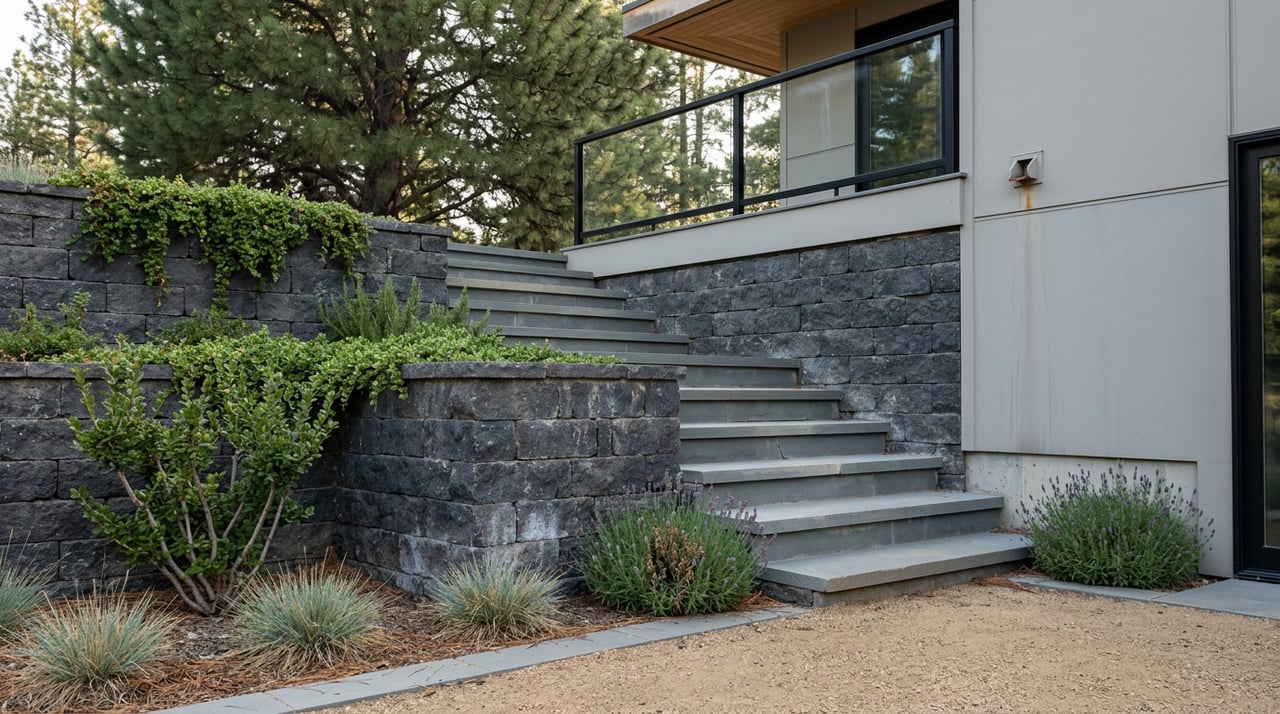
Walk down the path from a Lake Chelan cottage to its dock and the transition feels seamless: lawn, then stairs, then decking, then water. On paper it isn't seamless at all. The house sits on land you can own outright. The dock very often sits on land the state of Washington owns, and that difference is the reason waterfront closings on this lake take longer, ask for more documents, and occasionally stall over something a buyer never thought to ask about.
Washington's Constitution, adopted at statehood in 1889, gave the state ownership of the beds and shores of the state's navigable waters, a category that includes Lake Chelan. The Department of Natural Resources still manages that bed today, and any dock, boat lift, or shoreline structure built over it needs a DNR authorization in addition to whatever the county requires. In practical terms, a house and its dock can be two separate legal relationships wearing one address: the house conveys by deed, and the dock may convey through a lease or use authorization that has to be checked before closing.
That single fact explains most of the friction buyers run into on this lake. Here is what it actually means once you get past the median price and into the paperwork.
The Dock Isn't Always Included the Way You Think
Because the lakebed is state property, DNR issues the paperwork that lets a private dock sit over it. If a seller's dock was permitted decades ago, that authorization may or may not have been kept current, and a title company reviewing the file will want to see it. Buyers accustomed to inland purchases, where a fence or shed is simply part of the parcel, are often surprised to learn a dock's legal standing needs its own verification pass.
On Lake Chelan, the house is real property.
This is also where lenders slow down. A dock tied to an unclear or lapsed authorization is a liability nobody wants to inherit, and it's a routine reason a loan file sits in underwriting a few extra weeks while someone confirms exactly what's being financed.
The $28,000 Line That Decides Your Timeline
Washington's Shoreline Management Act exempts smaller dock projects from full permitting, but the exemption has a dollar ceiling. According to the Washington Department of Ecology, as of August 5, 2023, a residential dock repair or replacement is exempt from "substantial development" review only if its fair market value stays under $28,000, a threshold the Department of Ecology adjusts for inflation every five years, with the next update due July 1, 2028.
Stay under that number and a dock swap can move relatively fast. Go over it, and the project routes through Chelan County's Shoreline Master Program, which sets its own dimensional and material standards for docks, plus a Hydraulic Project Approval from the Washington Department of Fish and Wildlife for any work below the ordinary high water mark, and potentially a review from the Army Corps of Engineers. The Dock Company, which builds and permits docks on both Lake Chelan and the Columbia River, puts the typical permitting timeline at six months to a year, simply because of how many agencies have to sign off in sequence.
One quirk worth knowing if you're comparing Lake Chelan to the Columbia River towns nearby: the Dock Company says shoreline construction on the Columbia is restricted to the window between October 1 and February 28 to protect fish runs, while work on Lake Chelan can proceed year-round. If a listing needs dock repairs before you can use it the way you're picturing, that difference changes how fast you can actually get there.
So the question worth asking before you write an offer isn't "does the dock look fine." It's "what would a repair cost, and is that above or below $28,000," because the answer determines whether you're looking at a contractor's schedule or a multi-agency permitting queue.
The Septic Inspection That Doesn't Automatically Happen Here
According to Clallam County, Washington state law requires every septic system owner to have their system checked periodically, gravity systems at least once every three years, pressurized systems, sand filters, and mounds annually. That's the statewide floor. Some counties layer a stricter rule on top of it. King County, for instance, requires a certified inspection by a licensed On-Site Maintainer before every title transfer, along with a recorded notice on file with the county before closing can occur.
Chelan County does not appear to run the same way. The Chelan-Douglas Health District, which issues septic permits for the area, lists the "Property Transfer Inspection requirement" among the provisions it has excluded from its adopted rule. In plain terms, there is no automatic inspection triggered by a sale here the way there is in King County. If you want one, you or your agent need to build it into the purchase agreement yourselves.
This matters more on a lake where a meaningful share of homes were built decades ago for occasional weekend use and are now being asked to support something closer to full-time occupancy or a rotating calendar of short-term rental guests. A system sized for a handful of summer weekends carries a different load than one supporting weekly turnovers, and that gap won't show up on a listing sheet. It shows up as a negotiation after closing if nobody looked before.
What This Means If You're Ready to Make an Offer
None of this should scare a serious buyer off Lake Chelan. It should change what you ask for before you're under contract. As of August 10, 2026, listings across Chelan carried a median list price of $507,000 with an average of 122 days on market, a wide enough range that patience is already part of the deal here. Waterfront paperwork friction is a reason to plan around that timeline, not a reason to avoid it.
Before you write an offer on Lake Chelan waterfront, it's worth confirming:
- Whether the dock has a current DNR aquatic-lands lease or use authorization
- What a dock repair or replacement would likely cost, and whether that number sits above or below the $28,000 exemption threshold
- Whether a septic inspection has been done recently, since one won't happen automatically the way it does in some other Washington counties
- Whether your lender has waterfront-specific underwriting steps that could add time, separate from a standard purchase timeline
If you're planning to operate the property as a short-term rental, the dock and septic questions carry extra weight. Guests expect a dock that's usable the day they arrive, and a system that keeps up with weekly turnovers. Getting ahead of both before closing protects the number one thing a rental depends on: being ready to book from day one, not down for repairs during peak season.
This is the part of the process where having one team that understands both the sale and the ongoing operation actually pays off. We've walked enough of these closings to know which questions save weeks, and which ones get asked too late.
Ready to look at what's actually available on Lake Chelan right now, dock paperwork and all? Valley & View works both sides of this, the purchase and the property afterward, so nothing gets missed in between.
This article is general information, not legal, tax or financial advice. Consult a qualified professional about your situation.